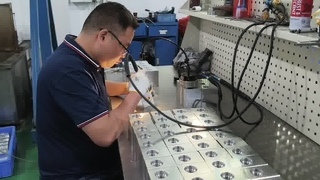
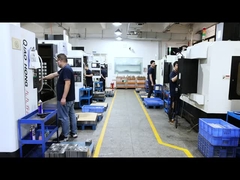
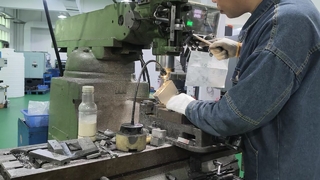
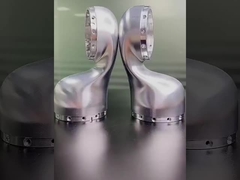
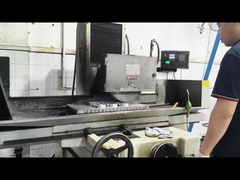
Watch: OEM Precision Aluminum CNC Turning Parts For Mechanical Components Showcase

Other Videos
December 03, 2025
Category Connection: Plastic CNC Machining
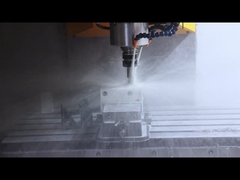
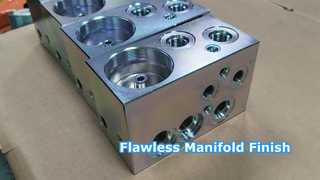
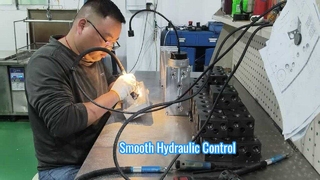
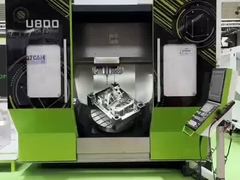
Brief: In this walkthrough, we highlight key design ideas and how they translate to performance. Watch as we showcase custom CNC plastic milling parts made from high-performance materials like PEEK, POM, PC, ABS, Nylon, PEI, and ULTEM. See how these precision-machined components are engineered to meet automotive safety standards through material selection, design optimization, and rigorous testing.
Related Product Features:
  • Custom CNC plastic parts manufactured from high-performance materials including PEEK, POM, PC, ABS, Nylon, PEI, and ULTEM.
  • Precision CNC machining and milling processes ensure dimensional accuracy and consistent part performance.
  • Materials selected for high strength, stiffness, and impact resistance suitable for demanding applications.
  • Design optimization using CAD and FEA to meet specific mechanical and safety requirements.
  • Parts undergo rigorous testing including crash, durability, temperature cycling, and chemical stability tests.
  • Widely used in automotive safety systems such as airbag housings, bumpers, and interior structural components.
  • Manufacturing processes include injection molding and thermoforming for precise and reliable part production.
  • Engineered to perform under expected loads and environmental conditions while maintaining structural integrity.
Faqs:
  • Can plastic CNC parts meet automotive safety standards?
    Yes, plastic parts can meet automotive safety standards depending on material selection, part design, manufacturing process, and specific application requirements. High-performance plastics like PEEK, POM, and ULTEM offer the necessary strength and durability when properly engineered.
  • What types of plastics are used for CNC machining automotive components?
    Common high-performance plastics include PEEK, POM, PC, ABS, Nylon, PEI, and ULTEM. These materials are chosen for their mechanical properties such as high strength, stiffness, impact resistance, and ability to withstand rigorous testing.
  • How are these plastic parts tested for automotive applications?
    Automotive plastic parts undergo certification and testing processes including crash testing, durability testing, temperature cycling, and chemical stability testing. These ensure the parts maintain performance under extreme conditions and meet strict quality standards.